

ROLE: User Experience Designer / Researcher
TIMELINE: 2024 (Aug - Dec)
SKILLS: Speculative Design, Critical UX, Interaction Design, Qualitative Research, Visual Analysis
As part of Personal Health Informatics (INFO 3509) at CU Boulder, I completed a speculative design project examining gender bias in personal health informatics (PHI) applications. By analyzing popular men’s and women’s health apps, I identified how interface and interaction design reinforce gendered expectations in health tracking and exposed them by designing a new PHI app for each using the opposite design convention. This project reimagined PHI design through a critical lens. It challenges traditional UX conventions to promote inclusivity and awareness of implicit bias in digital wellness tools.
Research
I conducted a comparative content analysis of top-rated PHI apps on the Apple App Store, focusing on visual hierarchy, color use, and data framing. Through affinity mapping of recurring interface patterns, I found distinct gender coding in the presentation of health metrics—such as “strength” and “performance” emphasized in men’s apps versus “beauty” and “fertility” in women’s apps.
How Might We… design PHI experiences that highlight the overly gendered design conventions in PHI technologies prominent in the current market?
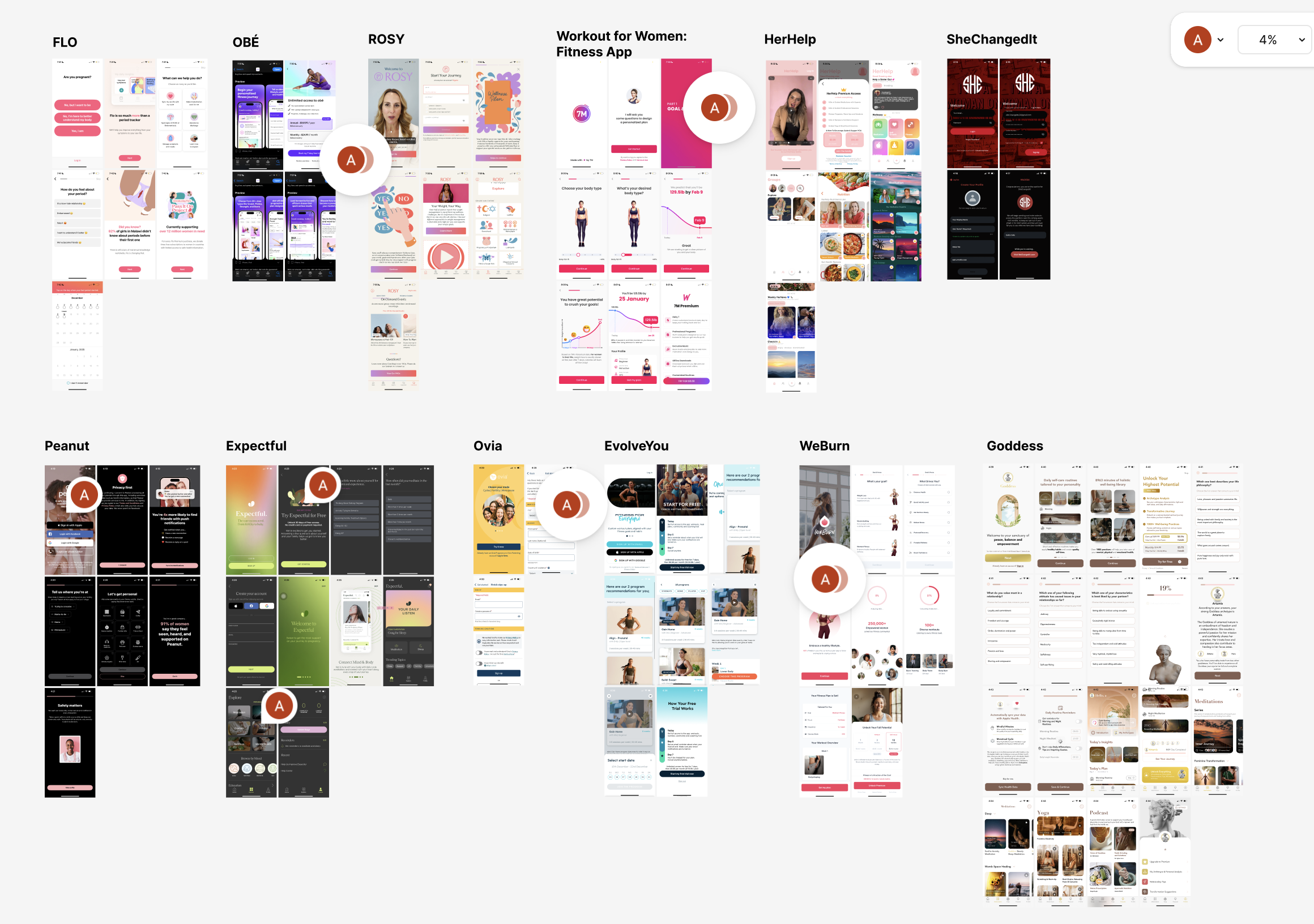
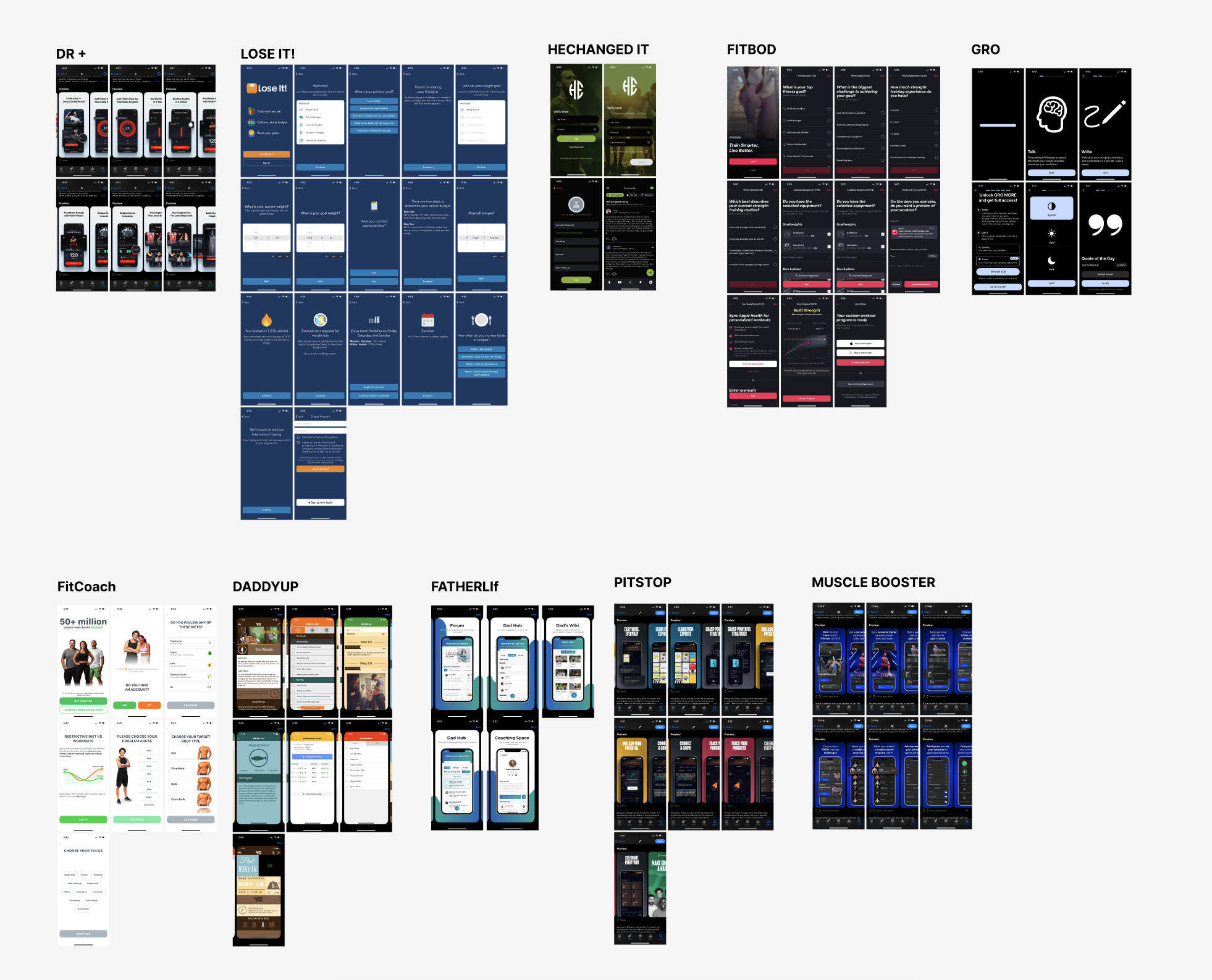
Design
PROBLEM STATEMENT
PHI Application developers need to see how their design preferences differ between men and women’s health applications in order to reexamine their approaches and their effectiveness.
high Fidelity final mockups

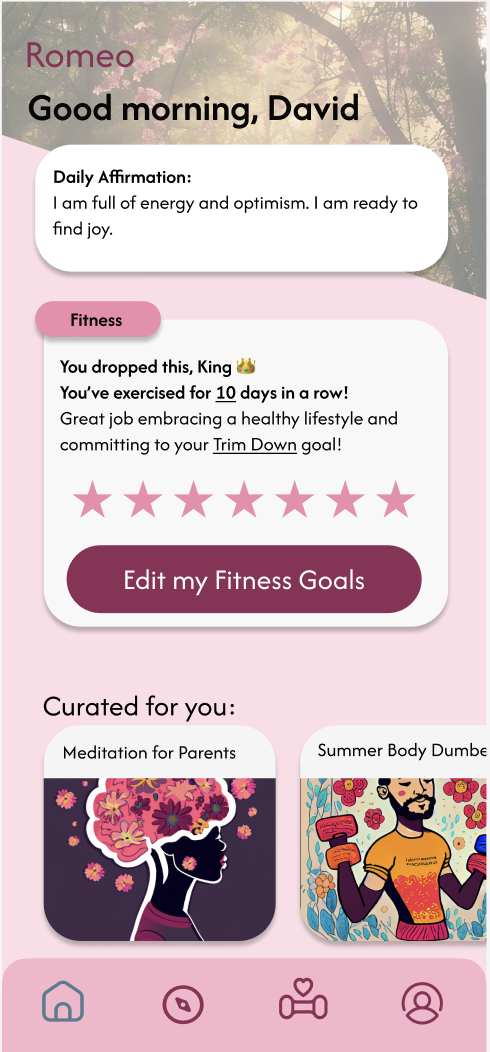
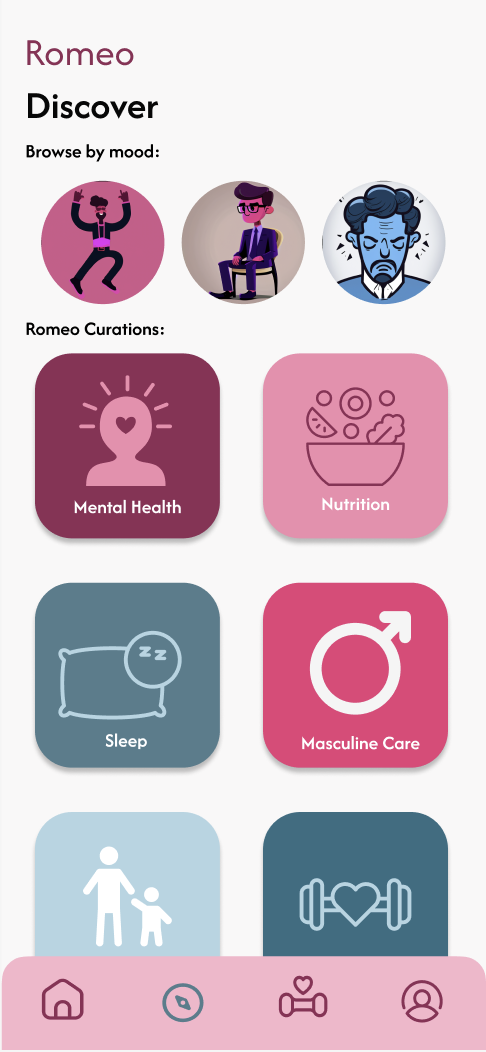
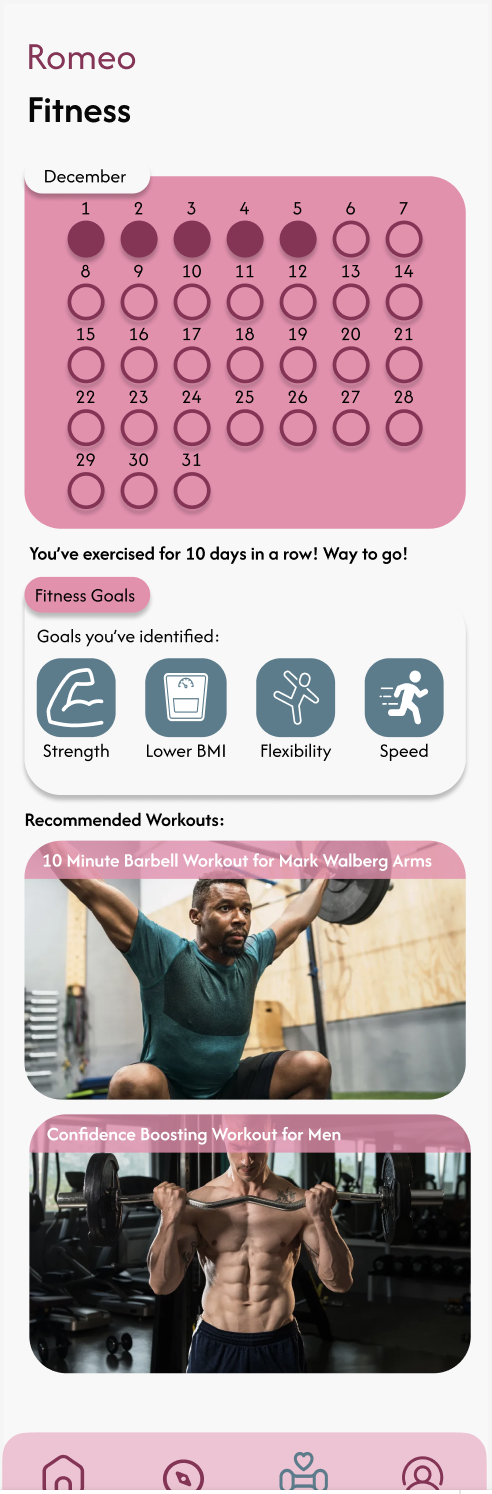


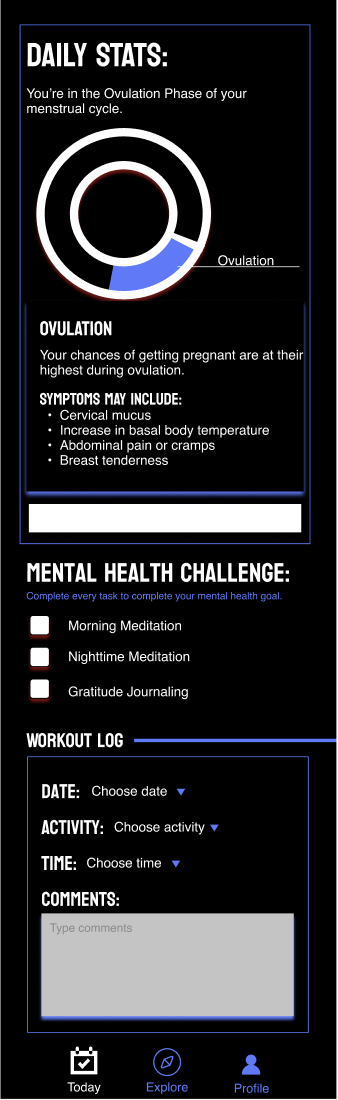
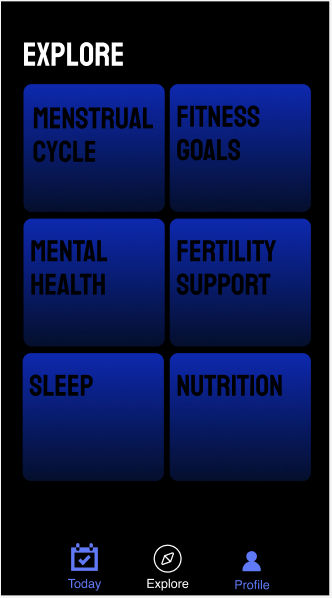
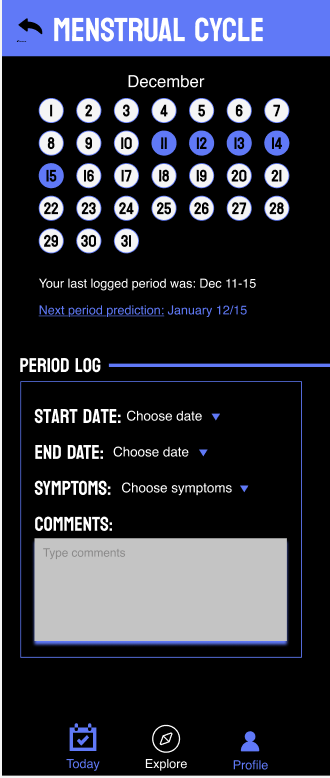

Final Product
RESEARCH PAPER
This research paper, titled Gendered Design Conventions: A Waste of Designers, was written in CHI conference paper style. Gendered Design Conventions: A Waste of Designers describes my critiques of how men’s and women’s personal health informatics (PHI) apps reinforce gender stereotypes through visual and interaction design. By analyzing popular health apps and creating reverse mockups, I argue that effective PHI design should focus on inclusivity and data quality rather than gendered aesthetics.